It's January, something on your house needs masonry work, and you're wondering whether you have to wait until May. The honest answer is that it depends on the job.
Some masonry work in Connecticut winters is perfectly doable. Some of it should absolutely wait. A contractor working in February is either using cold weather methods correctly or cutting a corner. You'll pay for the second one later.
The issue is chemistry, not toughness. Mortar and concrete don't dry, they cure, and curing is a chemical reaction that slows down as temperatures drop. Below about forty degrees it slows badly. Below freezing, water in the fresh mix can turn to ice and destroy the bond permanently. A wall built that way can look fine in March and start failing in year two. Here's what can go forward and what can't. Here's also what smart homeowners do with the off season instead of waiting. Our masonry team handles winter-appropriate work and books spring projects year round.
01 What Generally Waits Until Spring
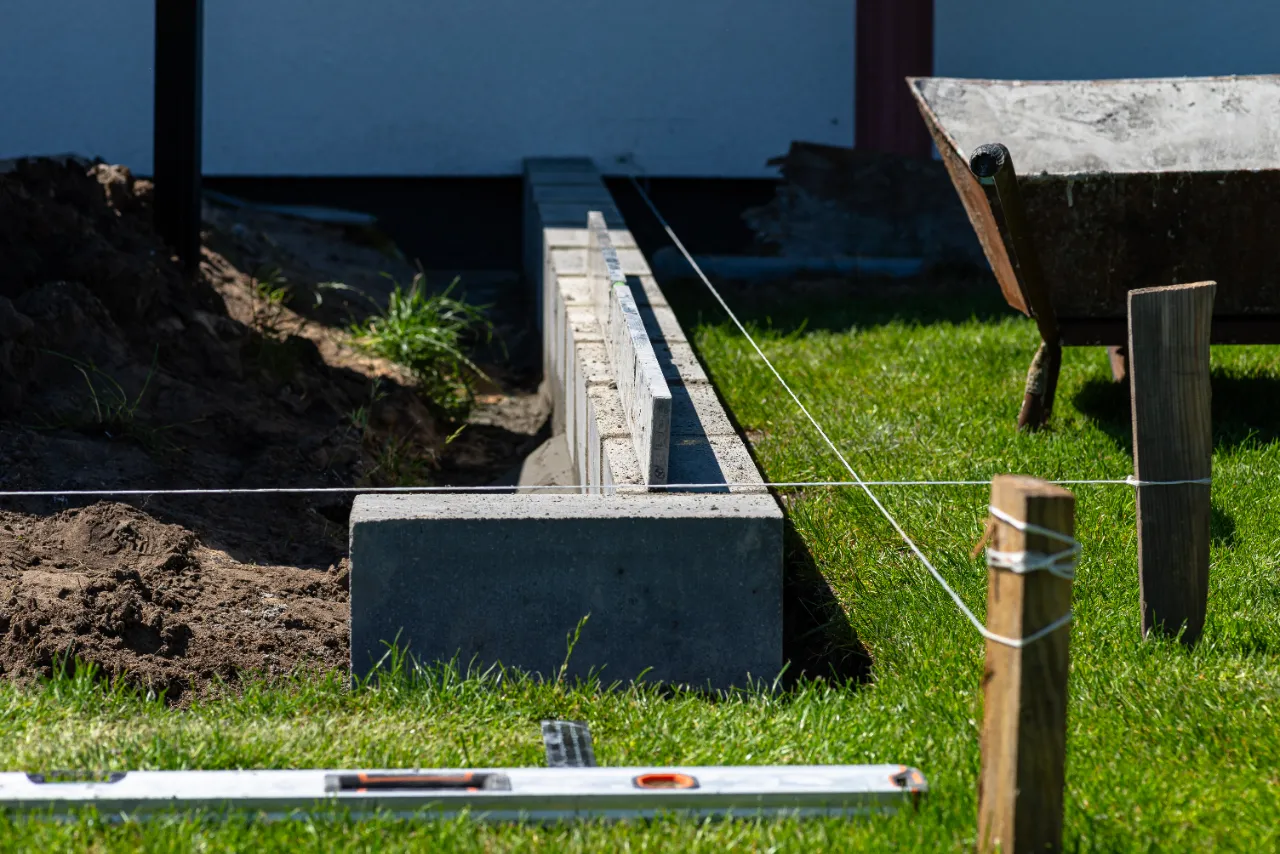
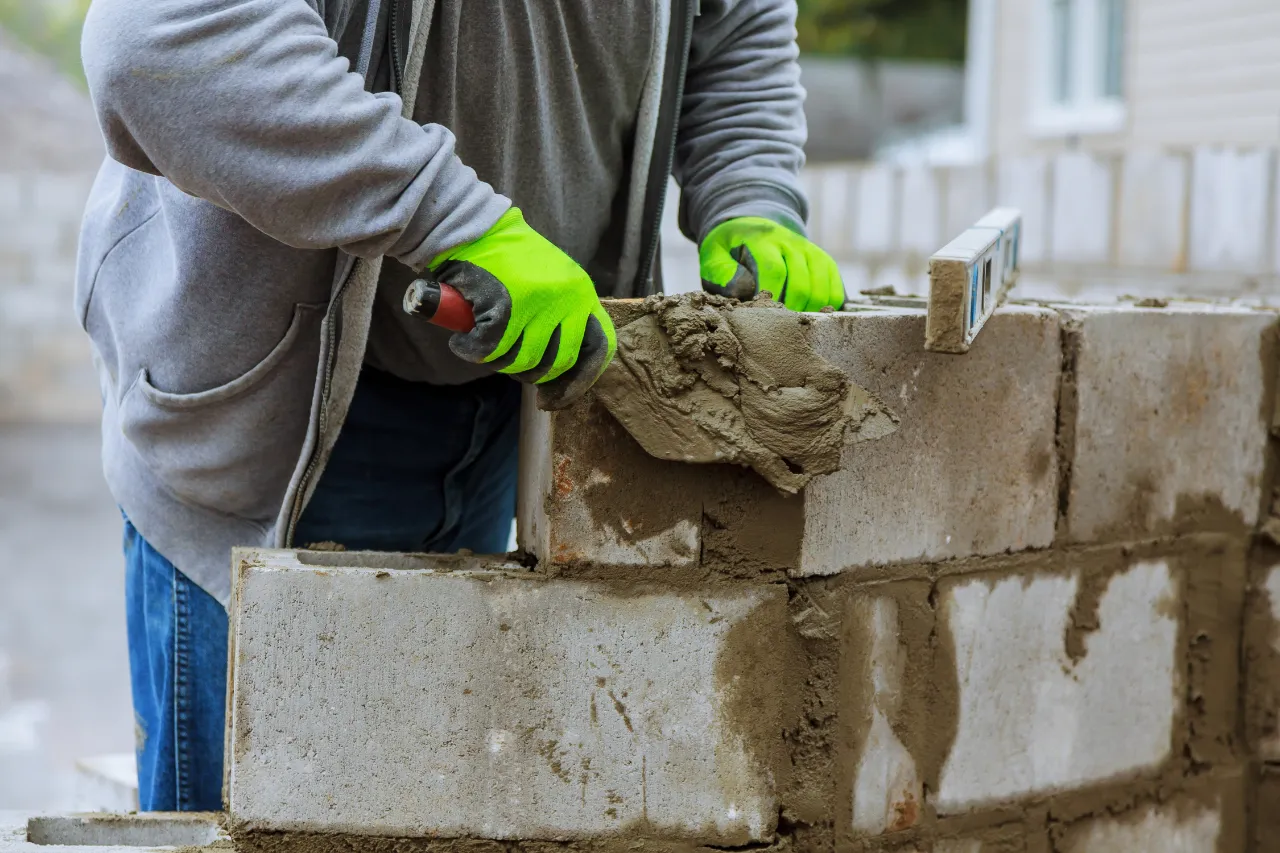
Anything involving fresh mortar or poured concrete exposed to the weather is a spring job in most cases. That includes repointing brick and laying new stone or block outdoors. It also includes pouring driveways, slabs, and mortar set patios.
The reason is straightforward. Fresh mortar needs to stay above freezing while it cures, and a Connecticut night in January doesn't cooperate. If water in the mix freezes before curing finishes, the bond never reaches full strength. You get joints that crumble early and slabs that scale and flake at the surface.
02 What Can Usually Move Forward
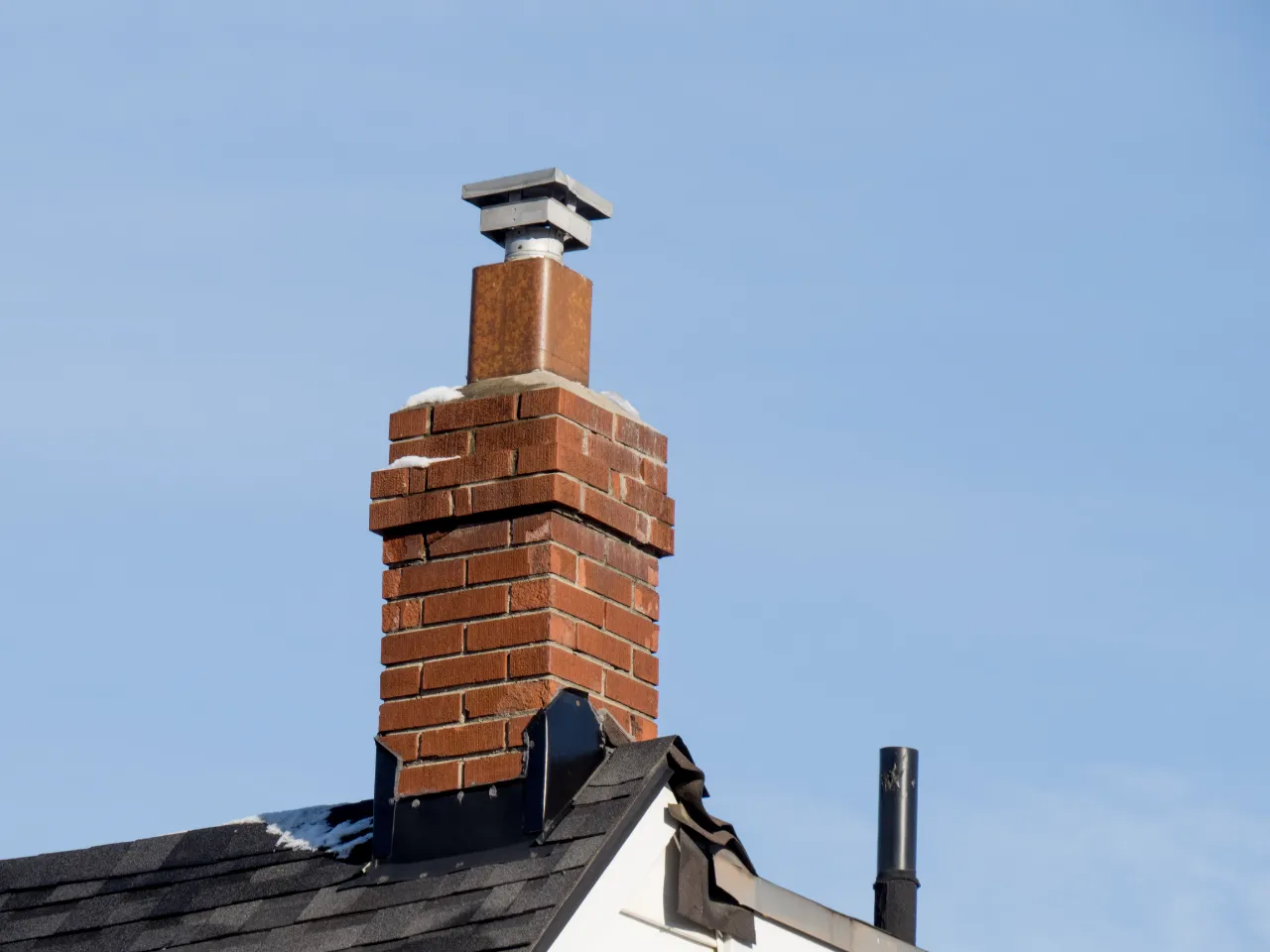
Plenty. Interior masonry keeps going all winter since the building is heated. Fireplace and chimney interior work is fine. So is basement foundation repair from the inside, and interior stone veneer.
Demolition and removal don't care about temperature. Tearing out a failed patio in February means the rebuild starts the moment conditions allow. Emergency stabilization also happens whenever it's needed, because a chimney dropping brick isn't going to wait for April.
Dry laid work, meaning stone set without mortar, is another option in mild stretches. And planning work continues regardless. Site visits, measurements, material selection, and written estimates all happen year round in Connecticut.
03 Why Winter Is Actually a Good Time to Plan
Here's the part most homeowners miss. Masonry crews are booked solid from April through October. If you call in May wanting a patio, you're getting in line behind everyone who called in March. Winter is when you get unhurried attention. A mason has time to walk your property properly and talk through material options.
You get a detailed estimate instead of a fast one. You have time to compare bids without pressure. Material selection improves too, since suppliers aren't sold out of the bluestone you want. Booking in the off season usually means an earlier spot on the spring schedule. That matters if you want the patio finished before summer.
04 How Winter Damage Shows Up in Spring
Use the winter to find out what needs attention. Freeze and thaw cycles are hardest on masonry, so problems that were invisible in October become obvious by March. Walk your property in early spring. Look for spalled brick where the face has flaked off, and for new cracks in walls and steps.
Check whether any retaining wall has started to lean. Look for mortar grit at the base of a chimney. Check for heaved concrete where frost lifted a slab. Take photos when you spot something.
Small freeze damage caught in March is a repair. The same damage ignored through another winter is usually a rebuild. Once water has a path in, each cycle widens the opening. Our chimney repair and retaining wall crew handles winter damage assessment and books early spring rebuilds.