Brick outlasts almost everything else on a house. The mortar between it does not. Mortar is the sacrificial part of the wall. It's designed to wear out before the brick does, and Connecticut winters accelerate that.
Water gets into a joint, freezes, expands, and pushes the mortar apart a little more each cycle. Do that for twenty five winters and the joints start giving up. Repointing is the fix. The failed mortar gets ground out to a set depth. New mortar goes in, tooled to match the original joint. Done at the right time it's straightforward maintenance. Left too long it turns into a rebuild.
Once water gets past the joints it attacks the brick and the structure behind it. The tricky part is that repointing rarely announces itself. There's no leak and no dramatic failure, so most homeowners find out years after the right moment passed. Here's exactly what to look for on your own wall, and what happens if you leave it. If you'd rather have a mason take a look, our brick repair team handles repointing across Connecticut.
01 The Screwdriver Test Tells You Almost Everything
Take a flathead screwdriver and press it into a mortar joint. Sound mortar resists. You'll feel it push back and you won't be able to scratch much loose. Failing mortar crumbles. If the tip sinks in easily or you can dig out a groove with light pressure, that joint is done.
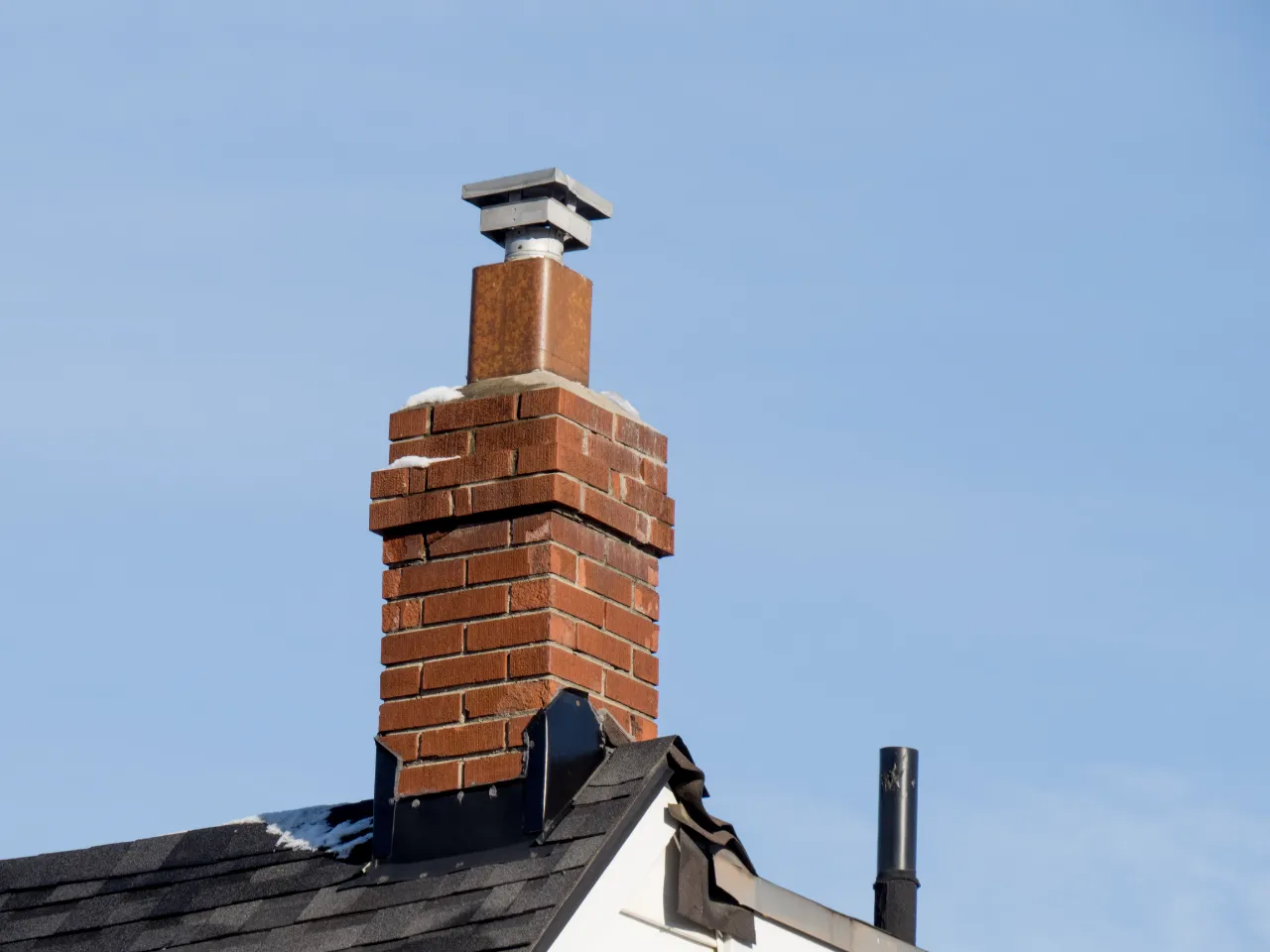
Try this in several spots, not one. Mortar rarely fails evenly across a wall. The south and west faces get more sun and more freeze cycles, so they usually go first. Chimneys go before walls because they're exposed on all four sides with no building heat behind them.
02 Visible Warning Signs on the Wall
Some signs you can spot from the ground. Look for gaps and voids where mortar has fallen out completely, leaving a recess between bricks. Look for mortar that's noticeably softer or sandier than it used to be. There's often grit collecting at the base of the wall.
Look for white chalky deposits, called efflorescence. That means water is moving through the wall and carrying salts to the surface. Look for cracked or shifted bricks, which suggest the joints stopped holding the wall together. Inside the house, damp patches or peeling paint on an exterior wall usually trace back to failed joints outside. Any one of these is worth a closer look.
03 What Happens If You Wait Too Long
This is the part people underestimate. Mortar joints keep water out of the wall. Once they fail, water moves freely into the assembly, and Connecticut winters do the rest. It freezes inside the brick and blows the face off, which is called spalling.
A spalled brick can't be repointed. It has to be replaced, and matching older brick is difficult and expensive. Keep waiting and water reaches the structure behind the veneer, rotting sheathing and framing you can't see. At that point you're not doing masonry maintenance anymore, you're doing structural repair.
04 What Proper Repointing Involves
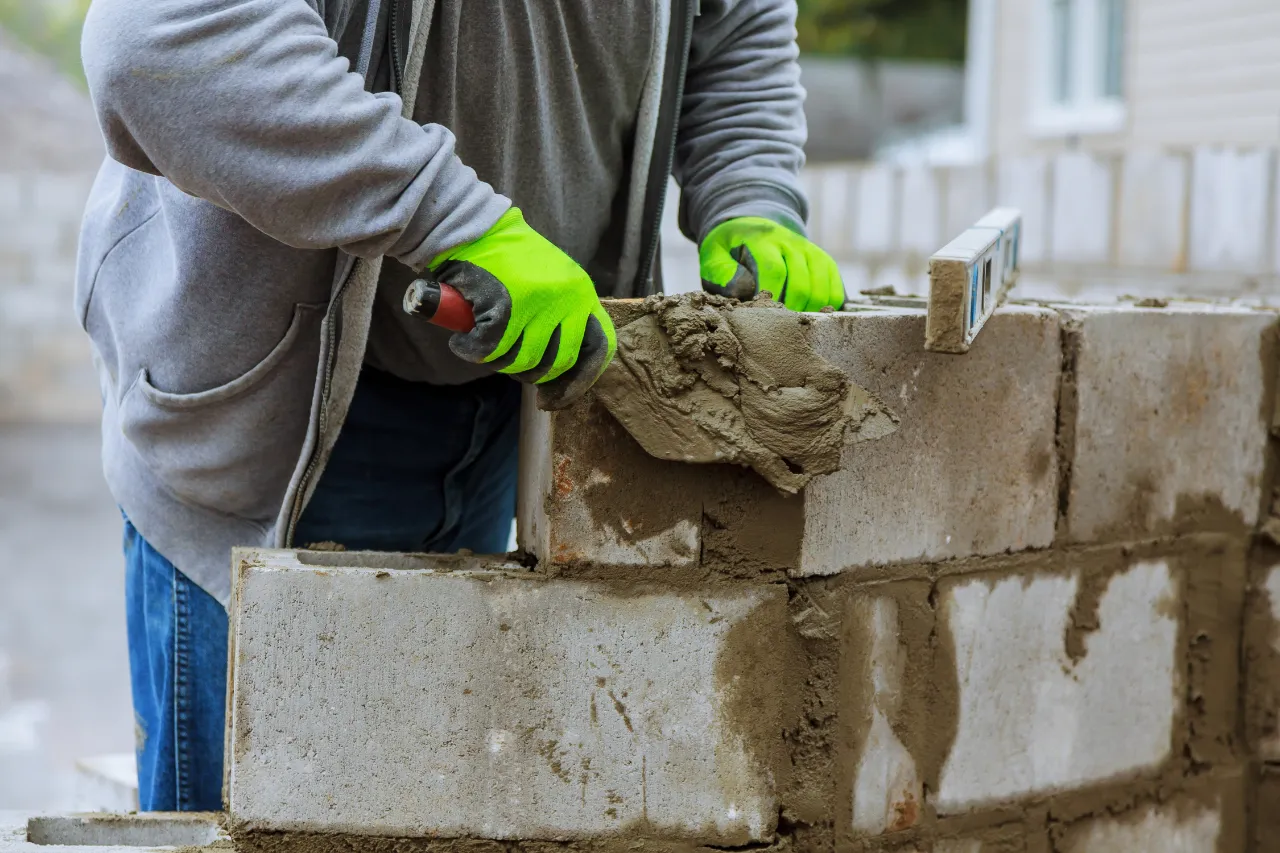
Correct repointing removes the old mortar to roughly two and a half times the width of the joint. Grind shallower than that and the new mortar won't bond, so it pops out in a few years. The joint gets cleaned and dampened. New mortar is packed in and tooled to match the original profile, whether concave, raked, or flush.
Mortar mix matters enormously on older buildings. Modern high strength mortar is harder than antique brick. When the wall moves, the brick cracks instead of the mortar. Softer lime based mix is correct for historic work. Anyone repointing an old Connecticut home with standard bagged mix is setting up damage that shows up later.
If you've spotted any of the warning signs described above, or you're not sure whether your wall needs attention, get it looked at before the next freeze cycle. Our brick repair and chimney repair crew handles repointing on residential and commercial buildings across Connecticut.