You went down to the basement for something else and there it was. A crack running up the foundation wall. Now you're wondering whether it's cosmetic or whether it's about to cost you a lot of money.
Foundation cracks in Connecticut homes are extremely common, and most of them come down to two things: water and frost. Our soil holds moisture and our winters freeze hard. The ground under a house moves more here than in warmer states. That movement has to go somewhere, and the foundation wall is what absorbs it.
The good news is that not every crack is structural. Some are normal curing cracks that showed up in the first year and have not moved since. Others are early signs of a problem that gets worse and more expensive every season you wait. This article covers what causes foundation cracks, how to tell the two apart, and what foundation repair actually involves.
01 Water Pressure Is the Number One Cause
Hydrostatic pressure is the technical name, and it's the most common reason foundations crack in Connecticut. Here's what happens. Rain and snowmelt soak into the soil around your house. That soil expands and pushes inward against the foundation wall.
A basement wall is strong straight down, but it's much weaker against sideways force. Push on it season after season and it cracks. You'll usually see a horizontal crack running across the middle of the wall. Sometimes there's a slight inward bow too. That pattern is the one to take seriously.
02 Frost Heave and the Connecticut Freeze Cycle
Connecticut goes through dozens of freeze and thaw cycles every winter. Water in the soil freezes, expands roughly nine percent, then thaws and contracts. Repeat that all season and the ground around your foundation is constantly shifting.
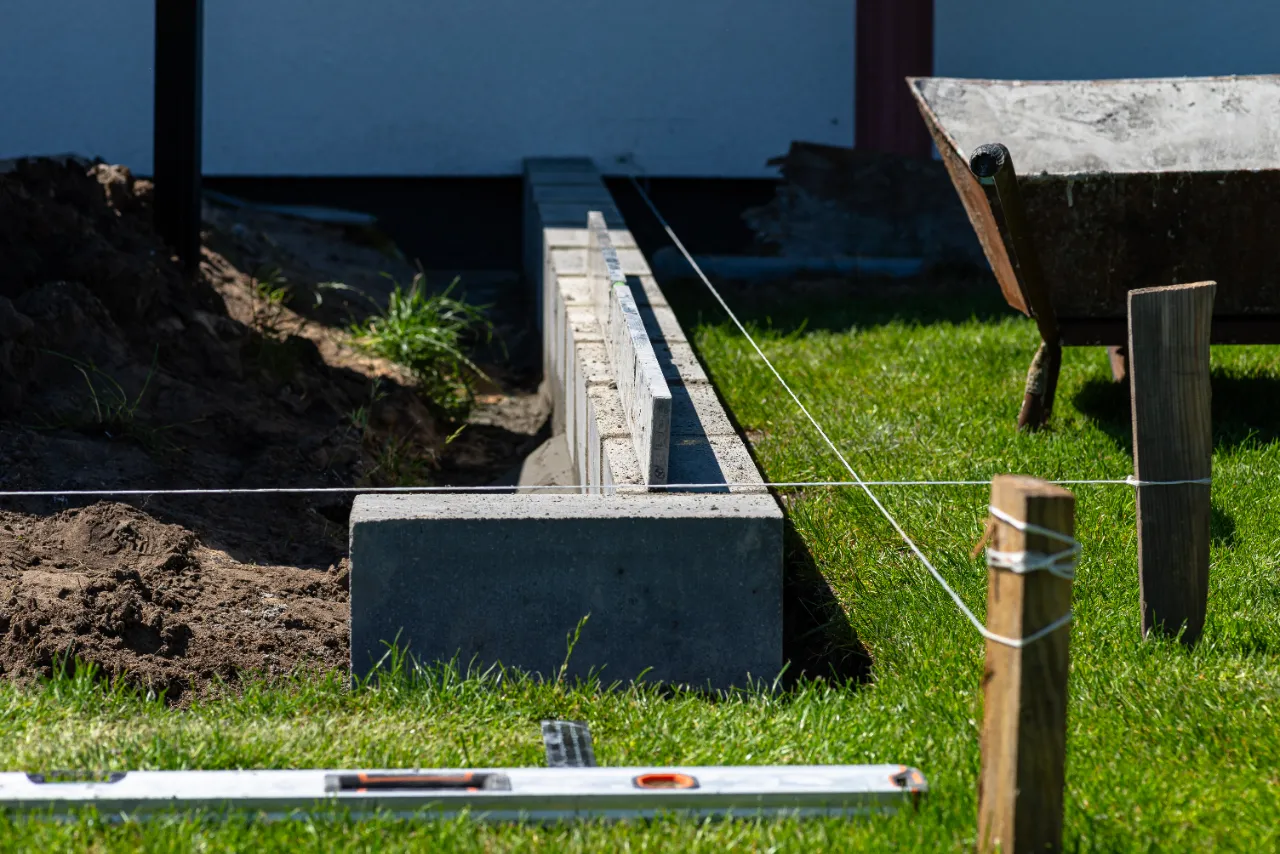
Footings below the frost line handle this fine. Anything shallow does not. That's why cracking often shows up around a porch, an addition, or a garage slab first. The main house comes later. Those areas frequently got shallower footings.
Frost damage tends to show up as stair step cracking in block foundations, following the mortar joints diagonally. In poured concrete you'll see vertical or diagonal cracks near corners. Neither means the house is falling down, but both mean something below grade is moving.
03 Settlement Versus Structural Movement
Every house settles. In the first couple of years a new foundation cures, shrinks slightly, and develops thin vertical cracks. Those are normal. They're usually narrow, they don't grow, and they don't leak.
The cracks worth worrying about behave differently. They widen over time, they're wider at one end than the other, and doors or windows above them start sticking. A crack that's grown since you first noticed it is telling you something. The ground under part of the footing is giving way. That's differential settlement, and sealing it accomplishes nothing. The underlying support has to be addressed.
04 What Foundation Repair Actually Involves
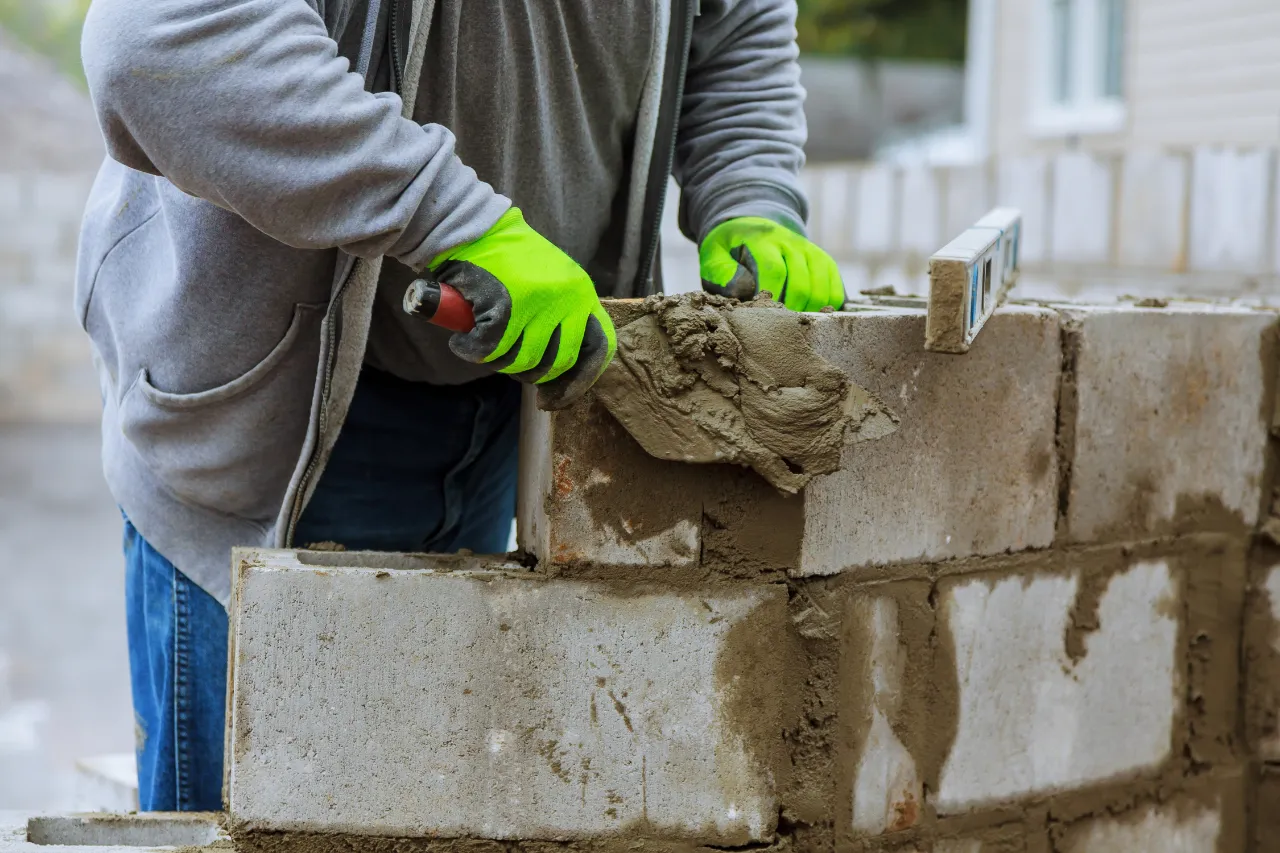
The repair depends entirely on the cause. Any mason who quotes you without looking at drainage isn't doing the job right. For non structural cracks that leak, injection or parging seals the wall and stops water. For deteriorated block or stone, damaged units get removed and rebuilt with new mortar. For bowing walls, the repair is more involved and sometimes needs an engineered design.
Almost every one of these jobs includes exterior work too. Regrading soil away from the house, extending downspouts, and correcting the water path around the foundation. Fixing the crack without fixing the water means you'll be back in three years. We inspect from both sides, inside and out, before quoting anything.
If you're seeing any of the warning signs described above, or you're not sure what kind of crack you have, get it evaluated before the next winter. Our foundation repair and retaining wall team handles both the repair and the drainage correction in one visit.